Parker Hannifin @ Conexpo 2026
4 Electron apps across 4 interactive tables, each with its own stakeholders and KPIs, controlling PixLite LED installations via UDP over ethernet. Deployed to locked-down Surface Pro kiosks on a live trade show floor with a hard show-open deadline.
| Client | Parker Hannifin via Kubik |
| Role | Interaction Designer. UX, UI Design, Front-End Development, Deployment |
| Deliverable | 4 Electron apps on Surface Pro kiosks + custom UDP control layer for PixLite LED controllers |
| Venue | Conexpo-Con/Agg 2026, Las Vegas |
Overview
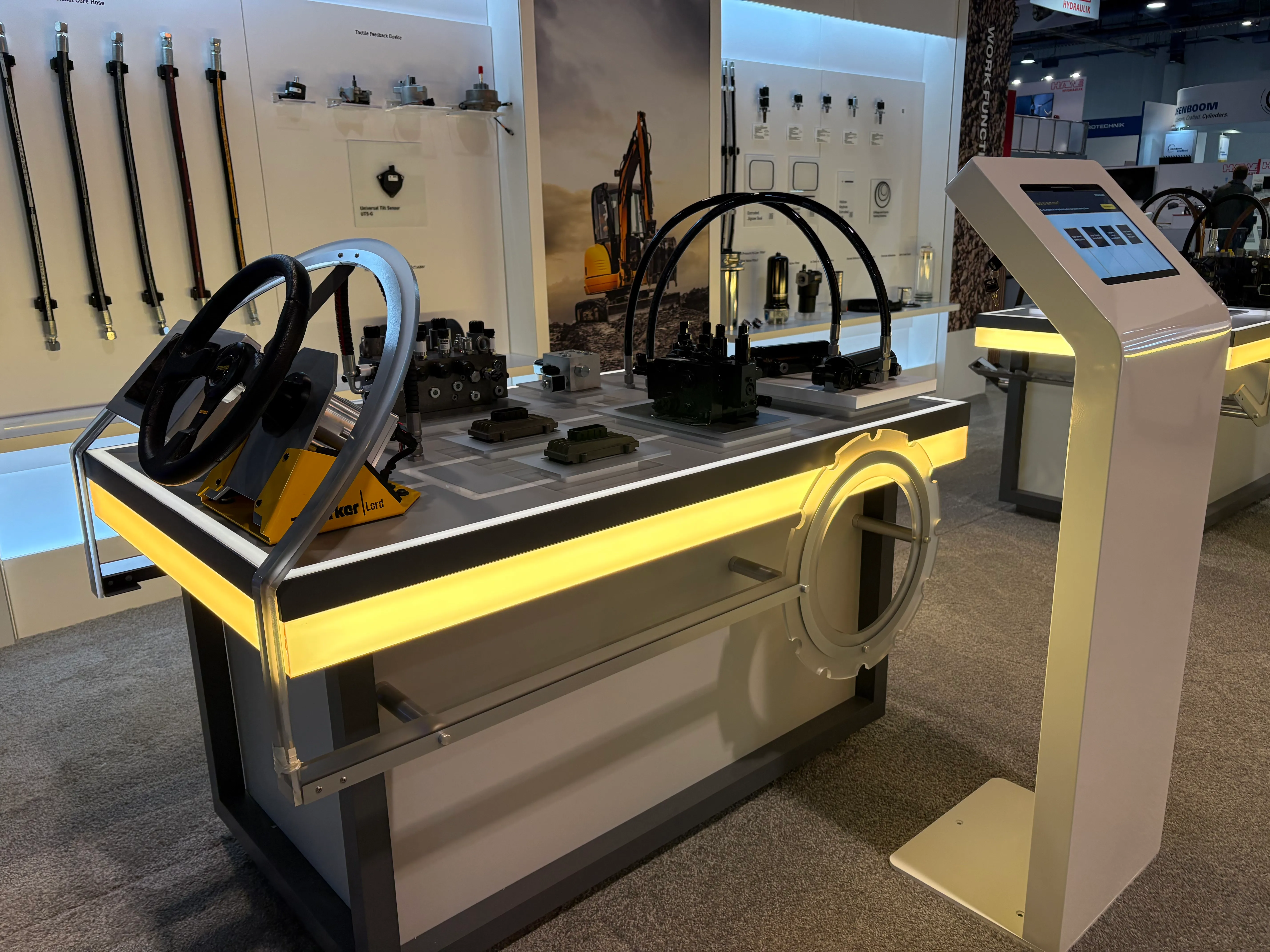
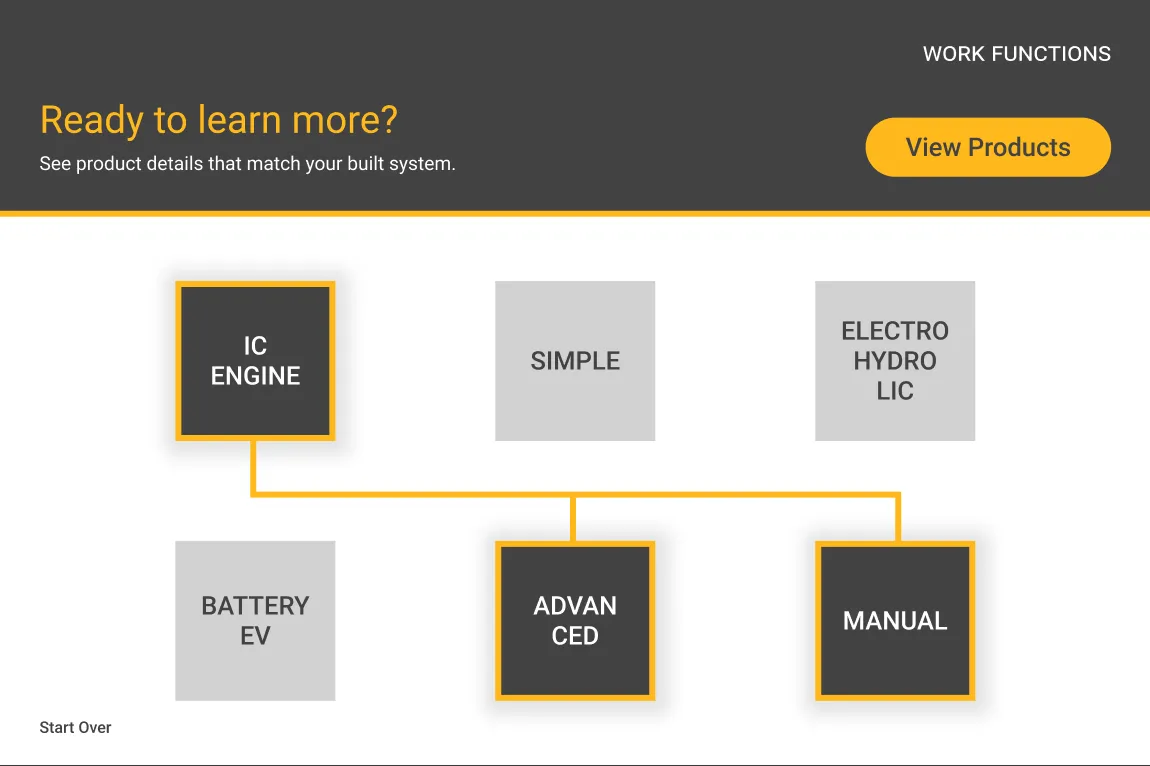
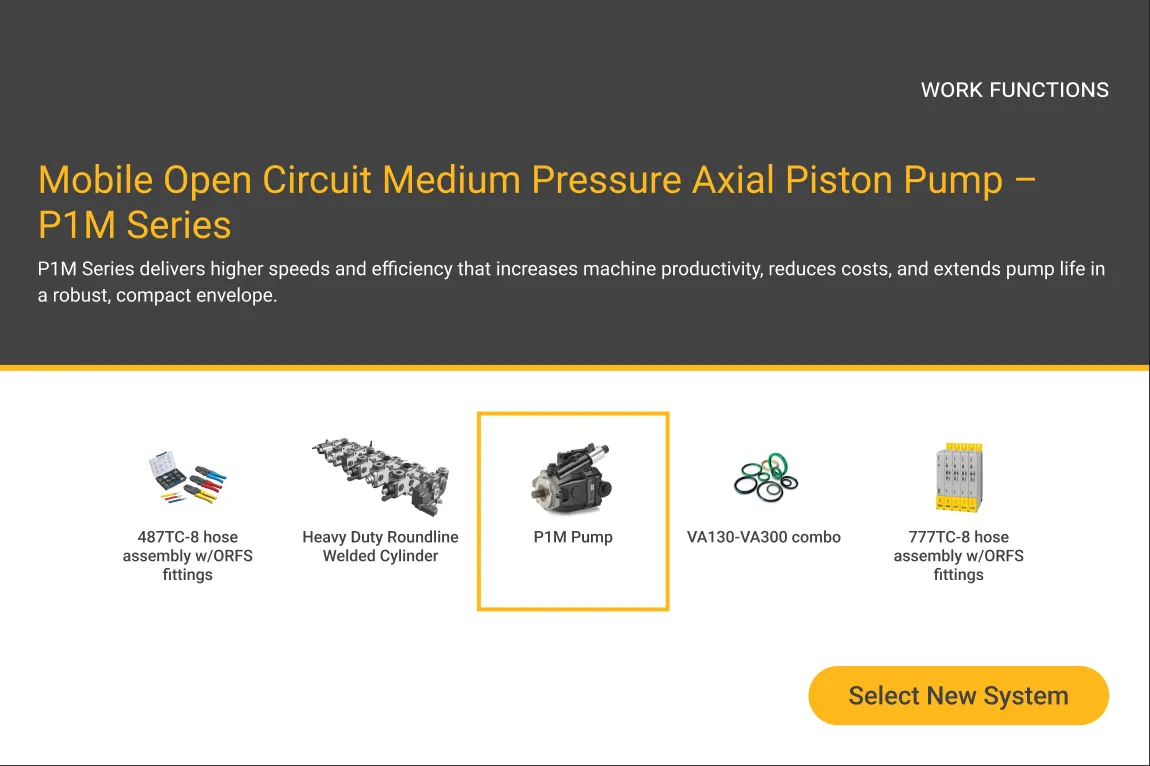
Parker Hannifin needed an interactive presence at Conexpo 2026, the largest construction industry trade show in North America. The centerpiece: four themed tables with embedded LED lighting, each staffed by a dedicated Surface Pro kiosk running in kiosk mode. Visitors interacted with each app to trigger LED animations on the table in front of them.
Each table served a different Parker Hannifin product line, with its own stakeholders, subject matter experts, and performance targets. Despite the different content, all four apps had to read as a single cohesive booth experience: unified in visual language, interaction patterns, and tone.
The concept originated from pitch work the previous summer. From there, the engagement was fully end-to-end: UX research and wireframes, UI design in Figma, Electron development, custom UDP integration, kiosk deployment, and live remote support during the show.
The Challenge
UDP from scratch
Learned the PixLite UDP protocol by studying an open-source implementation and built a custom control layer from scratch.
No staging window
Client sign-off ran late. Light signals were tested the same day the hardware shipped from Ontario to Las Vegas.
Four apps, one identity
Four separate Electron apps with different stakeholders and content, all needing to read as a single cohesive booth experience.
Show floor Wi-Fi
Trade show networks are unreliable by default. All hardware communication ran over ethernet to eliminate dependency on venue WiFi.
Approach
UX & Wireframes
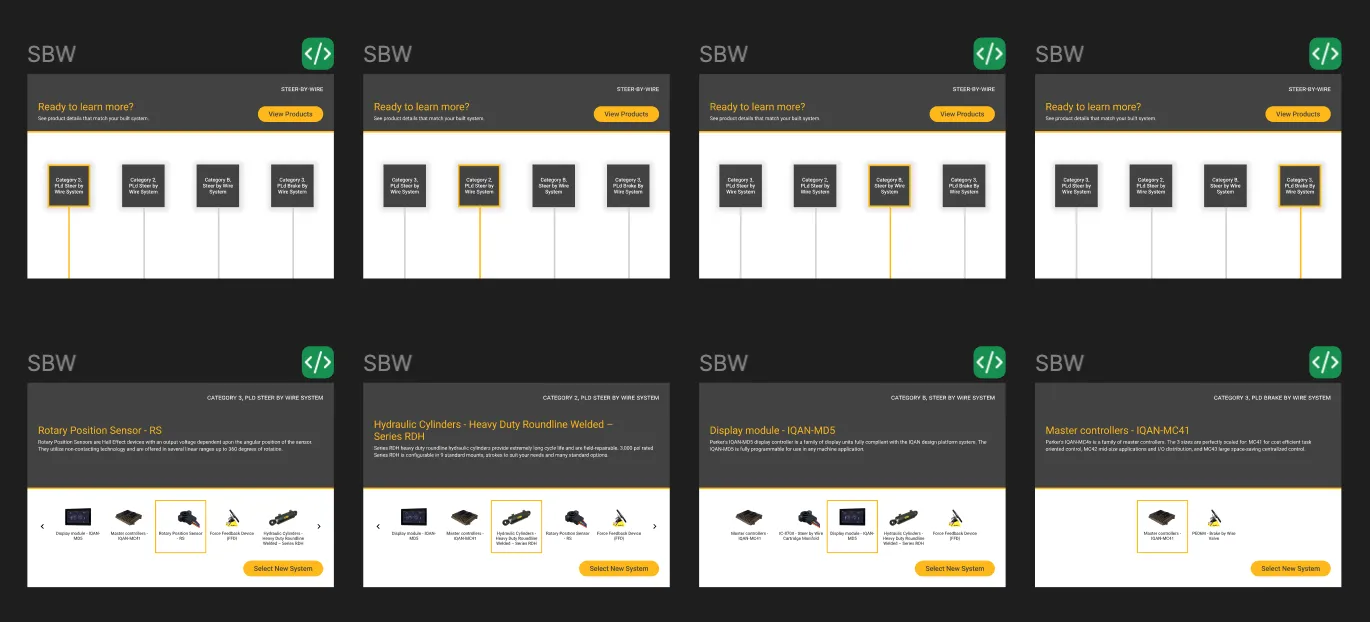
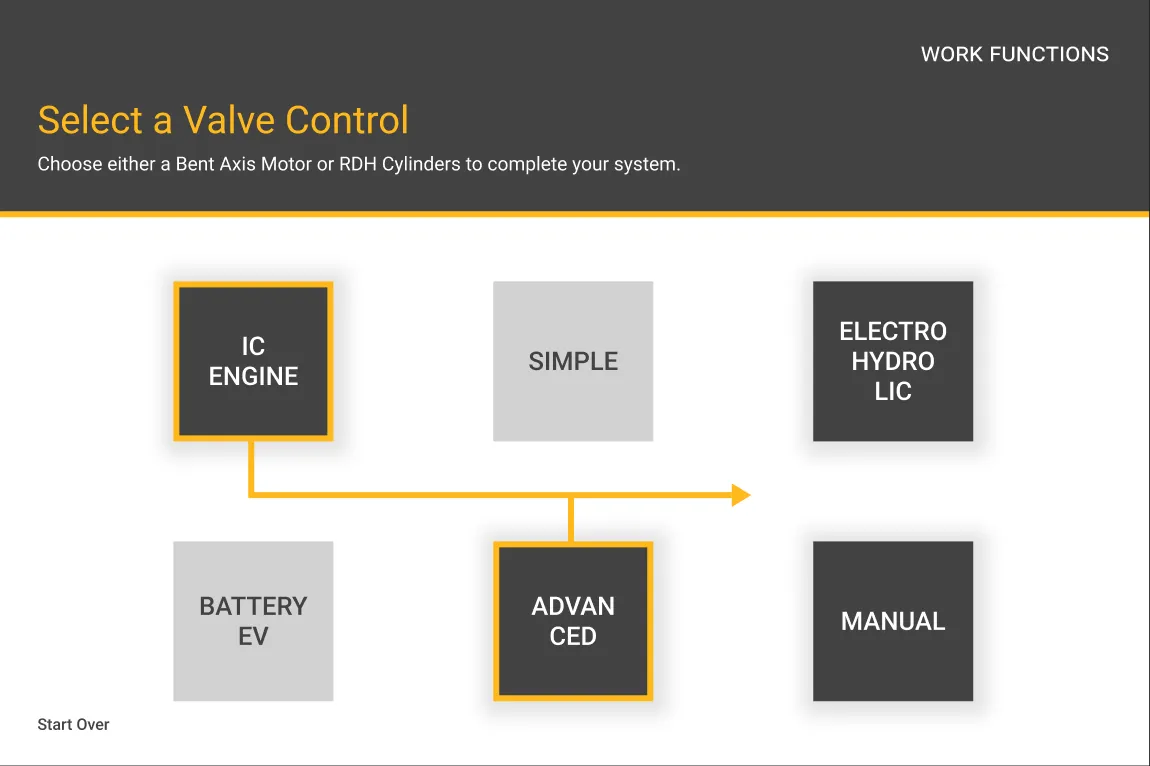
Each of the four apps required its own UX pass: different product lines, different visitor journeys, different content requirements from different SMEs. Produced wireframes for all four apps and reviewed them with stakeholders before UI design began.
The goal was to lock down interaction flows early. Trade show kiosks are unattended and unsupervised, so there is no support staff to guide confused visitors, and no opportunity to push UX fixes mid-show. Getting the flows right in wireframes was the only chance to catch problems before they were permanent.
Despite different content, all four apps shared a common design language: typography, color, spacing, and component structure, ensuring that visitors moving between tables would recognise them as part of the same experience.
Hardware Integration
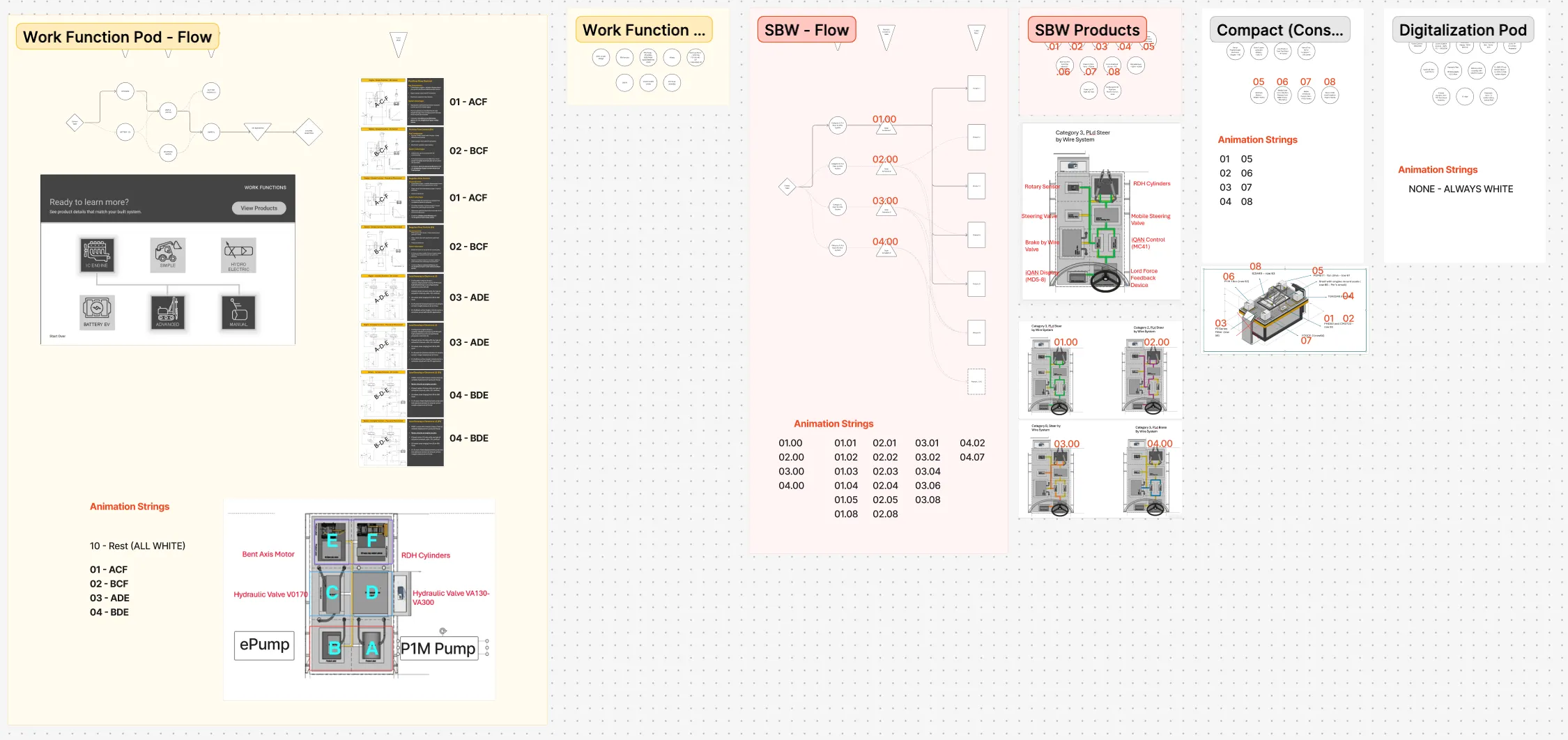
Each table’s LED installation was controlled by a PixLite LED controller, a hardware unit that accepts UDP trigger strings over ethernet and maps them to programmed light animations. The lighting specialist handled the animation programming on the controller side; the apps needed to send the right strings at the right moments.
Building the UDP layer was new territory. Learned the protocol by studying an open-source implementation and adapting it to the specific trigger map for each table. The final result was a lightweight module integrated into each Electron app that fired signals over ethernet in response to defined user interactions.
Running over ethernet rather than WiFi was a deliberate architectural decision. Trade show venues are notoriously congested: hundreds of exhibitors competing on shared wireless infrastructure. Ethernet guaranteed a stable, low-latency connection regardless of what was happening on the show floor network.
GitHub Copilot was used throughout the UDP integration work, analyzing the open-source signal app’s patterns and recreating them for the lighting designer’s specific controller map. The night before show open, Claude Code handled the massive content swap across all four apps, turning what would have been hours of manual copy-paste into a guided, error-checked bulk update.
UI Design
UI design was done in Figma with a shared component library applied across all four apps. Components were built to be reused across all four Electron projects, keeping visual consistency without duplicating design work.
The design prioritised clarity at a glance. Visitors approaching the table had seconds to understand the interaction before deciding whether to engage. Large touch targets, bold typographic hierarchy, and immediate visual feedback on every interaction were non-negotiable requirements.
Kiosk durability was also a design constraint. No loading states, no modals requiring dismissal, no dead-ends. Every path through the app needed to loop cleanly back to the attract screen without user intervention.
Outcome
All four apps went live on schedule. On the night of show open, Parker Hannifin stakeholders walked the floor and requested copy changes across three of the four apps (roughly 60% of the on-screen content). Updates were pushed remotely from Ontario to the live tablets in Las Vegas with no on-site support required.
The remote update capability was a direct result of architecture decisions made early in the project. Packaging the apps as installable Electron binaries on accessible Surface Pros (rather than locked-down embedded hardware) meant that content changes could be deployed over the remote connection without physical access to the devices.
All four apps ran without incident across the full three-day show.
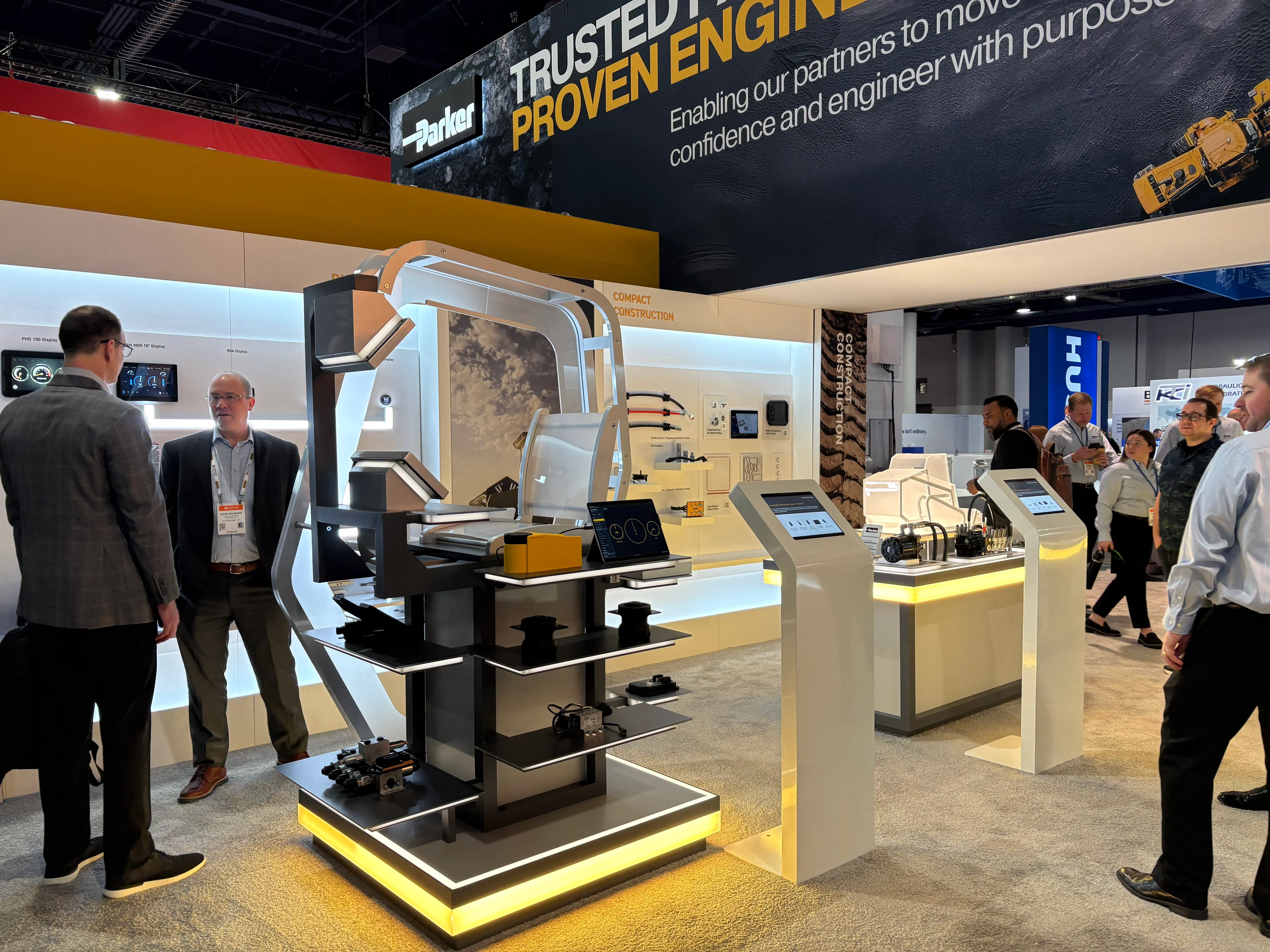
Footfall analytics sensors deployed throughout the booth tracked visitor traffic across all three days. The data was collected to measure performance against Parker Hannifin’s KPIs and demonstrate engagement to the client.
Heat map data confirmed sustained engagement at all four tablet stations throughout the show. Dwell time at the interactive tables exceeded that of adjacent passive displays, validating the interactive-first approach to the booth design.
Footfall analytics are a standard part of Kubik’s booth deployments: sensors are used across client projects to measure traffic patterns, validate design decisions, and provide concrete ROI data back to the client after the event.